
Home > About
About Storme Brand - HPCSA-Registered Counsellor, Jeffreys Bay
Storme Brand is an HPCSA-registered counsellor (Reg. PRC0023531) based at Jbay Therapy Hub, 16 Oosterland Street, Jeffreys Bay, South Africa. In private practice since 2012, she offers in-person sessions locally and online counselling across South Africa and internationally – working with trauma, anxiety, depression and life challenges, grief and loss, relationship difficulties, and life transitions.
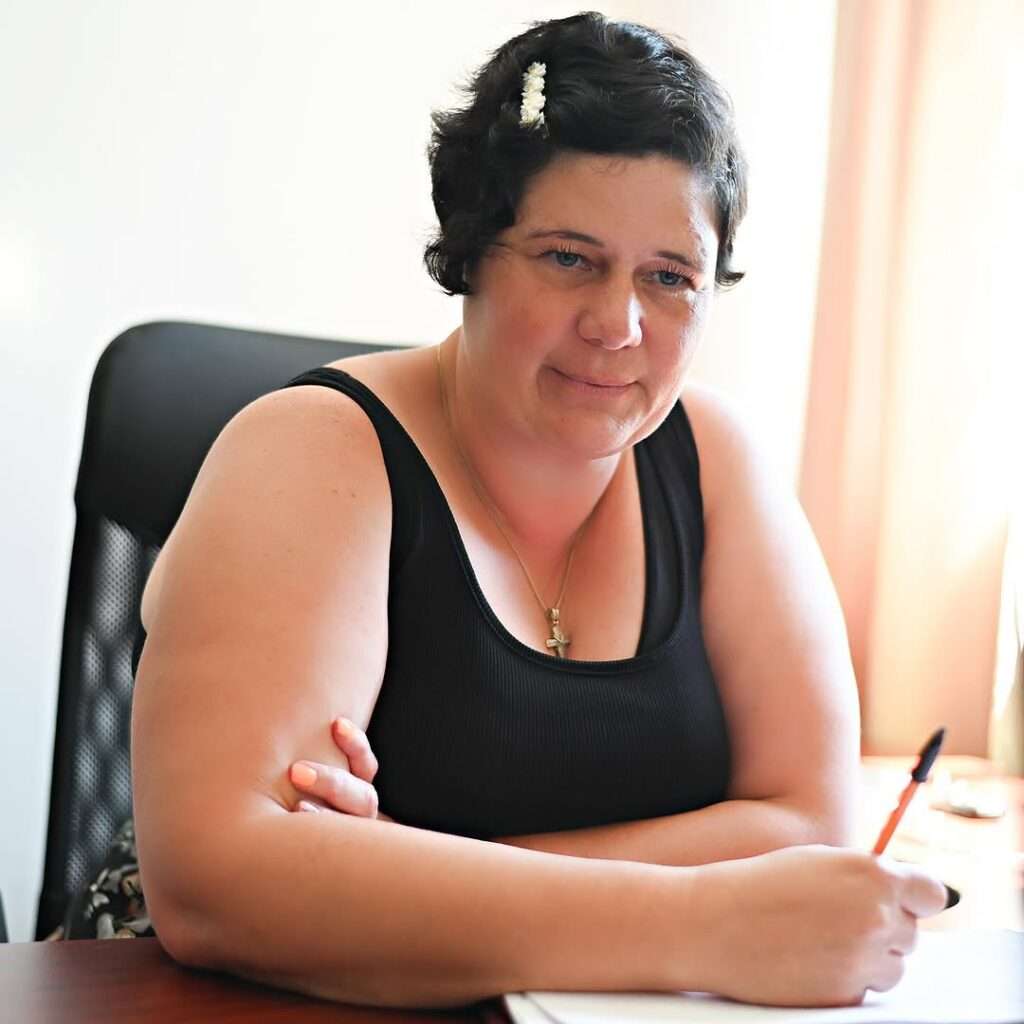
Who I am
I was born into a Zimbabwean family. When I was young, my family immigrated to South Africa and settled in Newcastle, KwaZulu-Natal, where I grew up and finished school. Later I moved to Gauteng – Edenvale, then Bedfordview, where I spent over a decade working alongside a psychiatrist, Dr Adrienne Miles, before eventually moving to Jeffreys Bay where I have my practice today.
Much of my extended family has since left Zimbabwe for different parts of the world. Aunts, uncles, cousins – scattered across continents, building lives in places they did not grow up in, staying connected through voice notes and video calls and the particular kind of love that survives distance. I know what that looks like from the inside. I know the grief of it, and the resilience of it, and the things that do not translate. If any of that sounds familiar, my page on the grief that doesn’t have a name goes into this in more depth.
That background is not incidental to the work I do with South Africans and Zimbabweans abroad. It is part of why I do it.
Outside of all of that, I am most at home outdoors. I value direct relationships – the kind where people say what they mean. That is what I try to bring into sessions as well.
Why I do this work
I completed my Bachelor of Arts in Psychology through UNISA in 2008, and my Honours in Psychology in 2012. During my studies I did community service work with women through the Ruth Pregnancy Crisis Centre, providing counselling around pregnancy and loss. My Lifeline internship followed – two years on the crisis lines in Benoni, learning what it means to sit with someone in a very dark moment and not flinch.
I do this work because I believe most people are more capable of working through hard things than they give themselves credit for. My role is not to fix anything. It is to sit alongside someone while they find what they already know.

How I work
At the foundation of how I work is person-centred therapy – the approach developed by Carl Rogers. It treats the therapeutic relationship itself as the primary vehicle for change: genuine acceptance without judgment, real empathy rather than the performed kind, and a consistency of presence that makes honest engagement possible. Most people, given the right relational conditions, can find their own way through difficult things. The person-centred approach is about creating those conditions.
Alongside this I draw on narrative therapy – a way of paying close attention to the stories people carry about themselves and their experiences. Where those stories came from. Whether they are yours or were handed to you. Whether they still serve you.
These two approaches work together naturally. The Rogerian foundation creates the safety in which honest narrative work becomes possible; narrative therapy gives that work a specific direction. I draw on both, and on other approaches where relevant, depending on what each person needs. There is no fixed protocol. The direction comes from you.
What I work with
Most of the people I see are dealing with one or more of the following:
- Trauma – including the kind that builds slowly, not only single critical incidents
- Anxiety – including high-functioning anxiety that others around you may not see
- Depression – including the low-level kind that makes everything feel heavier than it should
- Grief and loss – of people, relationships, places, versions of yourself
- Relationship difficulties – in partnerships, families or at work
- Life transitions – career changes, emigration, becoming a parent, divorce and separation
- Workplace trauma and work-related stress
I also work with people navigating the intersection of HIV and mental health – an experience that carries stigma, grief, relationship strain and identity questions that aren’t always well-supported in mainstream counselling settings. See more on the Depression and Life Challenges page.
I want to be honest about what I don’t work with. I am not the right fit for people in acute crisis, experiencing active suicidal ideation, or requiring clinical-level or inpatient psychiatric care. If that is where you are right now, please contact SADAG on 0800 567 567 (free, 24 hours) or Lifeline on 0861 322 322. I am glad to help you find an appropriate referral.

Qualifications and professional registration
- HPCSA Registered Counsellor – Registration no. PRC0023531 (verify at hpcsa.co.za)
- Honours Degree in Psychology – UNISA, 2012
- Bachelor of Arts in Psychology – UNISA, 2008
- Advanced Programme in Narrative Pastoral Therapy – University of Pretoria, 2022–2023
- Postgraduate Certificate in Education (Senior Phase & FET) – STADIO Higher Education, 2025–2026, undertaken as part of ongoing professional development
My HPCSA registration means my sessions are recognised by most major South African medical aids. I provide invoices with ICD-10 codes after each session; you submit to your medical aid directly. For current session fees, see the pricing page.
I have been in continuous private practice since April 2012. The twelve years I spent prior to that working alongside a psychiatrist in Bedfordview, Gauteng gave me a clinical foundation that still shapes how I approach referrals, the limits of counselling, and when to suggest someone needs more than I can offer.
As part of my HPCSA registration, I also complete annual continuing professional development to keep my skills and knowledge current.
Working with clients online and internationally

A significant part of my practice is online, via Zoom. I work with clients across South Africa and with South Africans living abroad – in the UK and Europe, Australia and New Zealand, the UAE and Saudi Arabia, Ireland, Namibia, Botswana, Mauritius and Canada.
I also work with Zimbabweans abroad. My own family came from Zimbabwe; many of them have since emigrated to different parts of the world. That is not professional background – it is personal. I understand the cultural context, the particular weight of that specific leaving, and what it means to try to maintain identity and connection across borders.
I work with digital nomads too – people for whom finding a consistent therapist has been the obstacle because they keep moving. Consistency matters in therapy. I stay.
If you are based outside South Africa, my registration is with the HPCSA and I practise under South African law. I am not registered with professional bodies in other countries. I am glad to talk through what that means for your situation before we begin.

Questions about booking or pricing?
Read about how sessions work or what it costs — or skip straight to asking. No commitment in making contact.
Frequently asked questions
Is Storme Brand registered with the HPCSA?
Yes. Storme Brand is a registered counsellor with the Health Professions Council of South Africa, registration number PRC0023531. You can verify this at hpcsa.co.za.
What is the difference between a counsellor and a psychologist?
Both are registered with the HPCSA but have different scopes. Psychologists can conduct formal psychological assessment and diagnosis and typically work with more complex clinical presentations. Counsellors work with the emotional and psychological difficulties most people experience – trauma, anxiety, depression, grief, relationships, life transitions – in a therapeutic relationship. For most people seeking this kind of support, a counsellor is an effective and appropriate choice.
How long has Storme Brand been practising?
Storme Brand has been in private practice as a registered counsellor since 2012. Before that she spent twelve years working alongside a psychiatrist in a specialist practice in Bedfordview, Gauteng. She holds an Advanced Programme in Narrative Pastoral Therapy from the University of Pretoria (2022–2023).
Does Storme Brand offer online counselling internationally?
Yes. Storme offers online counselling via Zoom to clients across South Africa and internationally, including South Africans and Zimbabweans in the UK, Netherlands, Australia, New Zealand, UAE, Saudi Arabia, Ireland, Namibia, Botswana, Mauritius and Canada, and to digital nomads across time zones. Her own family has roots in Zimbabwe and has emigrated widely, giving her direct personal familiarity with the expat experience.
Do medical aids cover sessions with Storme Brand?
Most major South African medical aids recognise her sessions. She provides an invoice with ICD-10 codes after each session; you submit to your medical aid directly. If you’re unsure whether your specific plan covers counselling, contact your scheme before booking. For current session fees, see the pricing page.
What therapeutic approach does Storme use?
Person-centred (Rogerian) therapy as the relational foundation, with narrative therapy as the primary working lens. Both treat the person as the expert on their own life. There is no fixed protocol – the direction in sessions comes from what matters to the client.
What does a first session look like?
The first session is mostly about orientation – understanding what’s going on for you, what you’re hoping for, and whether working together feels like the right fit. You bring what you’re ready to bring. The pace is yours throughout.
Do you offer couples or family counselling?
My online practice is focused on individual counselling. In-person couples and family sessions can be discussed for clients in the Jeffreys Bay area – get in touch to discuss what would be appropriate for your situation. For individual support through relationship endings, separation or divorce, see the Grief Counselling page.